THE MOST COMPLETE, AUTHORITATIVE AND SECURE WEBSITE TO BUY WORKS OF ART.

Language
Currency






- Home
- Artists
- Alex Katz
- Andy Warhol
- Angelo Accardi
- Arman
- Arnaud Nazare-Aga
- Banksy
- Bearbrick
- Bernard Aubertin
- Christo
- Damien Hirst
- Daniele Fortuna
- David Kracov
- David LaChapelle
- Dorit Levinstein
- Felipe Cardena
- Georges Braque
- Giosetta Fioroni
- Helmut Newton
- Henri Matisse
- iClim
- Invader
- Jacopo Di Cera
- James Rosenquist
- Jean-Michel Basquiat
- Jeff Koons
- Joan Miró
- Johnny Depp
- José Molina
- Kaws
- Keith Haring
- Kenny Scharf
- Liu Bolin
- Lucio Fontana
- Marc Chagall
- Marco Glaviano
- Marco Lodola
- Mark Kostabi
- Gift Shop
- META VR
- BLOG
- ABOUT
- BUSINESS B2B



 Register
 Wishlist
 Contact Us
Carrello
Thank you!
1
2


3

Digital art has moved beyond the experimental phase: today it is a consolidated, innovative, and constantly evolving reality.
From NFT artworks to immersive experiences, and the integration with the physical world through phygital formats, we are witnessing a true artistic revolution.
What Is Digital Art and Why It’s Changing the Art World
Digital art is a fluid and multifaceted language that develops through virtual media: NFT artworks, augmented reality, interactive installations, video art, and the metaverse. It is no longer “screen-based” art, but a full sensory experience that engages the public actively and emotionally.
Unlike traditional art, digital art is accessible everywhere, lives in the cloud, and evolves with technology, speaking a universal language that connects cultures, markets, and generations.
From the Web to the Metaverse: The Phygital Revolution
The real innovation in contemporary art is the fusion of the physical and the digital: this is the phygital phenomenon. Thanks to platforms like phygi.io – developed by Deodato Group – collectors and enthusiasts can access works that exist simultaneously in both worlds.
With artists like Mr. Savethewall and Daniele Fortuna, the physical artwork is enhanced with exclusive digital content, accessible through dynamic NFTs and interactive interfaces. It’s a new way of collecting: you don’t just own an object, but an entire narrative ecosystem around it.
Case Study: Wallsaved Phygital by Mr. Savethewall
This series, launched in 2023, combines Mr. Savethewall’s urban realism with NFT technology. His iconic city walls become portals to immersive experiences: each NFT unlocks evolving digital content, turning every piece into a unique visual journey.

Obey and the Sphere in Las Vegas: Monumental Digital Art
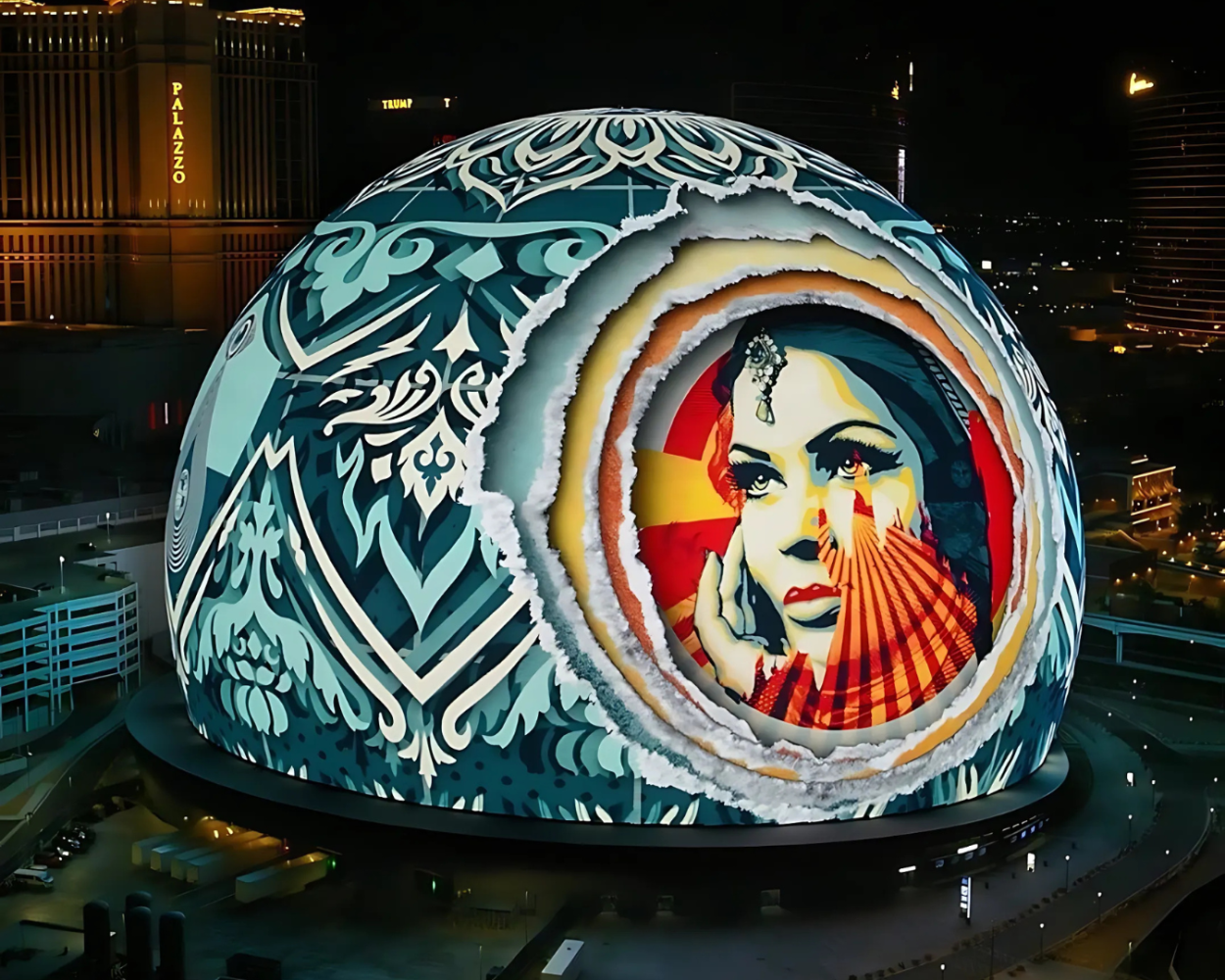
In Las Vegas, the Sphere hosts monumental digital art projects. Here, Shepard Fairey (Obey) transformed his works into immersive installations. No longer just visual, but total involvement: digital art becomes an environment, transcends spatial limits, and immerses the viewer in images and meaning.
Metaverse and Virtual Galleries: The New Frontier of Collecting
The art world is also moving into the metaverse, where virtual galleries allow digital works to be exhibited and sold in 3D environments. NFTs certify the provenance and uniqueness of each piece, ensuring security and authenticity.
This model opens up new horizons for artists and collectors, breaking down geographic barriers and offering global visibility.
Digital Art and Investment: New Opportunities to Explore

Digital art is not just aesthetic innovation—it also represents a new asset class for investors.
Thanks to blockchain, NFTs and phygital works offer traceability, rarity, and scalability. It’s a growing ecosystem that’s attracting attention from collectors and financial players alike.
If you’re looking for new opportunities, digital and phygital art represents a dynamic and rapidly expanding market. Artworks become experiences, and investments turn into culture.